


Introduction
Retail automation is advancing rapidly, with AI Smart Vending emerging as a key technology in the sector. In the UK, WALL’s ice cream has adopted SandStar’s AI Smart Vending solutions, offering insights into how artificial intelligence is optimizing vending operations. This article elaborates the core features of SandStar’s technology and its impact on WALL’s ice cream business from a market perspective.
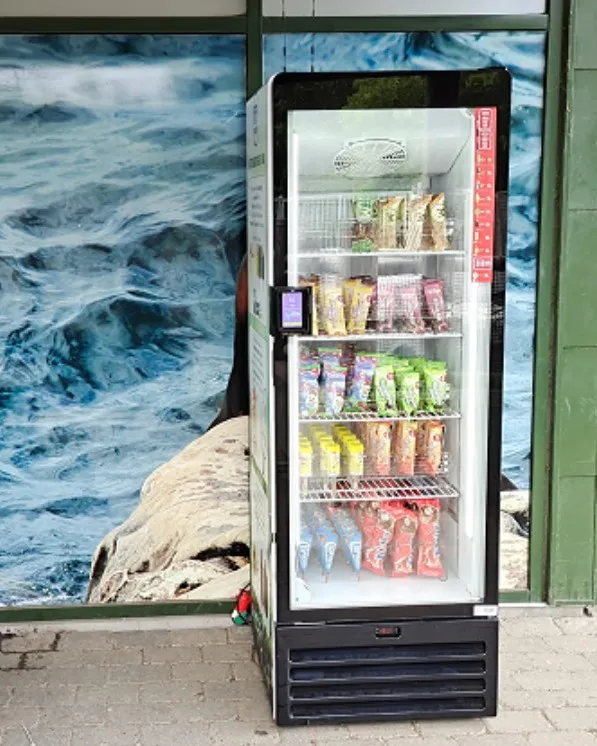
Defining AI Smart Vending
AI Smart Vending refers to vending machines equipped with artificial intelligence that automates product recognition, transaction processing, and remote management. The deployment of AI Smart Vending in the UK is expanding, as brands seek to enhance operational efficiency and customer satisfaction. SandStar’s presence in this space is notable, particularly through its partnership with WALL’s ice cream.
SandStar AI Smart Vending: Technological Advantages
SandStar’s AI Smart Vending machines demonstrate several operational strengths:
1. Real AI, No Human Review – Instant Transaction Settlement
SandStar’s AI Smart Vending utilizes genuine artificial intelligence and edge computing for product identification and payment. Each transaction is settled instantly, without requiring human review. This capability streamlines the sales process and minimizes errors, providing a consistent experience for consumers.
2. Easy Setup and Maintenance
The design of SandStar’s AI Smart Vending supports straightforward installation and ongoing management. Operators can set up machines quickly and monitor performance remotely. Maintenance tasks are simplified, as the system provides real-time alerts and diagnostics, allowing for efficient oversight and minimal disruption.
3. Durable and Reliable, Indoors and Outdoors
SandStar’s AI Smart Vending is engineered for stability and durability. These machines function reliably in both indoor and outdoor environments, maintaining consistent operation despite variable conditions. This durability ensures continuous service and supports placement flexibility for brands like WALL’s.
Operational Benefits for WALL’s Ice Cream
The integration of AI Smart Vending into WALL’s ice cream operations yields several measurable benefits:
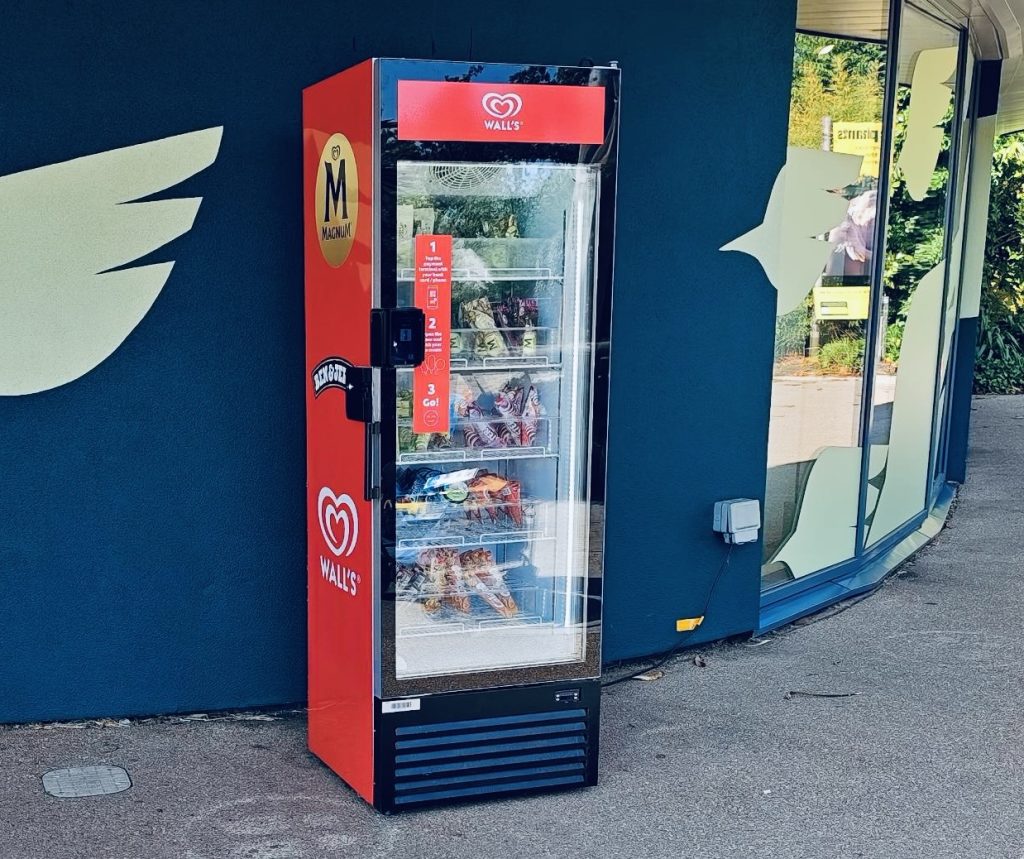
- 1. Revenue Generation
SandStar’s AI Smart Vending machines have demonstrated the ability to generate a strong revenue stream (up to £10K+ one location one month). This performance reflects the machines’ capacity to operate continuously and attract purchases in high-traffic locations. - 2. No Staff Requirement
The automation provided by AI Smart Vending eliminates the need for on-site staff. Sales, inventory management, and monitoring are handled remotely, reducing labor costs and streamlining operational processes. - 3. Remote Maintenance and Fixes
SandStar’s AI Smart Vending supports remote diagnostics and maintenance, allowing operators to monitor machine status and address technical issues without physical intervention. This feature contributes to high uptime and efficient resource allocation.
Market Impact and Scalability
The adoption of AI Smart Vending by WALL’s ice cream in the UK illustrates several broader market trends:
- 1. Scalability
SandStar’s AI Smart Vending enables rapid expansion across multiple sites due to its easy setup and remote management capabilities. Brands can deploy machines in diverse locations, optimizing reach and responsiveness. - 2. Data-Driven Operations
AI Smart Vending systems collect detailed transaction and inventory data, supporting informed decisions regarding product selection, pricing, and placement. This data-centric approach enhances operational efficiency and aligns with evolving consumer preferences. - 3. Enhanced Customer Experience
By enabling instant transactions and reliable product availability, AI Smart Vending contributes to a positive consumer experience. The technology supports seamless purchases and minimizes wait times, which can drive repeat business and brand loyalty.
Objective Assessment
From a market observer’s perspective, SandStar’s AI Smart Vending represents a significant development in retail automation. The technology’s combination of real AI-driven transactions, ease of installation, and robust performance—indoor and outdoor—positions it as a practical solution for brands seeking operational efficiency. For WALL’s ice cream, the reported revenue gains, elimination of staffing requirements, and remote maintenance capabilities highlight the tangible benefits of AI Smart Vending in the UK context.
As retail automation continues to evolve, the role of AI Smart Vending is likely to expand, offering new opportunities for brands to optimize sales and streamline operations. SandStar’s deployment for WALL’s ice cream provides a relevant example of how these technologies are being applied in real-world settings.
Conclusion
The integration of SandStar’s AI Smart Vending with WALL’s ice cream operations in the UK demonstrates the potential of artificial intelligence in automated retail. With instant, staff-free transactions, easy maintenance, and reliable performance, AI Smart Vending is shaping the future of vending and retail automation. For brands and operators, the adoption of AI Smart Vending offers measurable improvements in efficiency and revenue, supporting continued innovation in the sector.